

January, 2026
AI in Project Management: Can Agentic AI Improve Software Delivery in IT?

- Aimen Babur
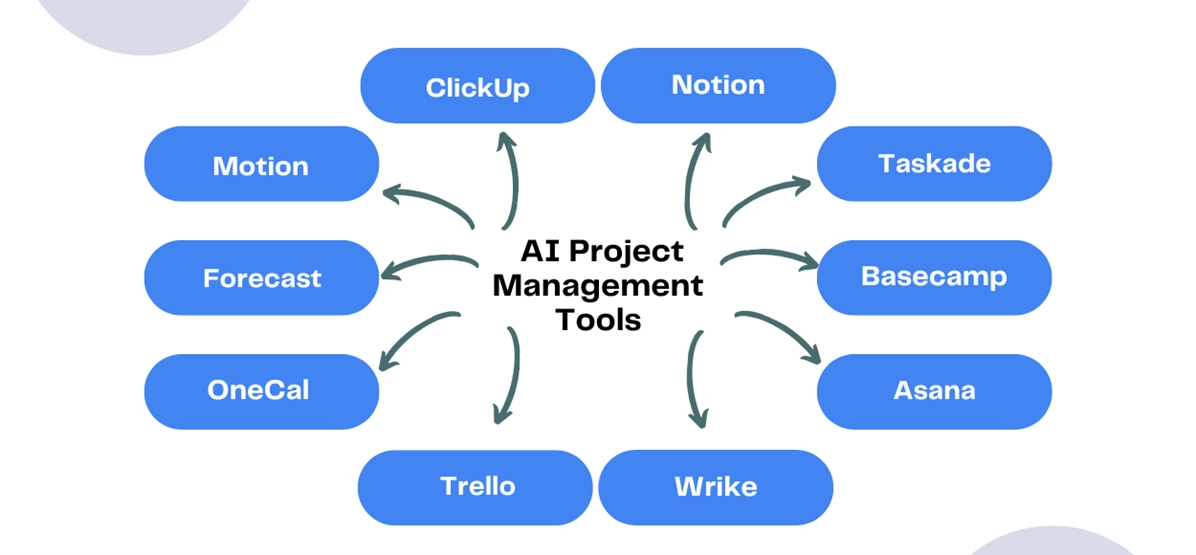
Introduction
The tech industry frequently positions AI in project management as the next major efficiency revolution. Every few months, a new AI-driven framework promises reduced workloads, lower costs, or smoother delivery pipelines. But beyond the marketing language, an important question remains: can Agenetic AI meaningfully improve project delivery in software houses?
This question is especially relevant for IT environments already dealing with resource shortages, unclear requirements, shifting client expectations, and inconsistent leadership.
How Agentic AI Fits into AI in Project Management
Unlike traditional automation tools that accelerate repetitive tasks, AI in project management, powered by Agentic AI, focuses on optimization. It generates hundreds of possible schedules or resource allocation models, evaluates them, and iteratively evolves toward the best-performing outcome. On paper, this approach aligns perfectly with the challenges faced by software houses managing multiple sprints, tight deadlines, and changing requirements. In practice, implementation is rarely as seamless as vendor demos suggest.AI in Project Management and Sprint Planning
Sprint planning is one area where AI in project management shows strong potential. Many development teams inflate estimates to satisfy clients or compress timelines under management pressure. Over time, this leads to burnout and missed deadlines.
Agentic AI tools can challenge these assumptions by identifying:
- Unrealistic timelines
- Blocking dependencies
- Teams operating at unsustainable capacity
In theory, this introduces much-needed realism into planning, particularly in mid-sized IT firms where delivery commitments are often made before feasibility is fully understood.
Data Quality: The Hidden Constraint of AI in Project Management
The effectiveness of AI in project management depends heavily on data quality. Most software houses, especially in emerging markets, do not maintain accurate project histories. Requirements change without documentation, tasks are adjusted informally, and tracking tools are updated only when necessary.
When inconsistent data is fed into AI-driven optimization systems, the recommendations become unreliable. AI cannot compensate for organizational habits that avoid measurement and accountability.
AI-Based Risk Detection in IT Projects
Risk detection is another area where AI in project management demonstrates promise. Early warning signals, such as declining code-review velocity, repeated QA rework, or misaligned skill assignments, often go unnoticed until delays escalate.
AI-driven monitoring can surface these trends earlier than manual oversight. However, cultural resistance remains a barrier. Teams may hesitate to surface negative signals, and AI insights are only effective if leadership is willing to address them constructively.
Resource Allocation Challenges in AI in Project Management
In theory, AI in project management can optimize resource allocation by aligning tasks with developer skills, velocity trends, and historical performance. Many software houses allocate resources based on availability, seniority, or client-driven priorities. AI cannot resolve entrenched management behaviors or indecision. Optimization models assume a willingness to act on recommendations, an assumption that does not always hold.The Real Impact of AI in Project Management
The true value of AI in project management may not be in fixing broken processes, but in exposing them. When algorithms repeatedly flag unrealistic deadlines, chaotic requirements, or overloaded teams, leadership can no longer rely on optimistic assumptions. AI introduces transparency. Whether organizations act on that transparency depends entirely on leadership maturity.Should Software Houses Adopt AI in Project Management?
Software houses should approach AI in project management with realistic expectations. It is neither a silver bullet nor a passing trend. When adopted thoughtfully, it can:
- Highlight inefficiencies
- Challenge flawed assumptions
- Improve planning discipline
- Strengthen risk visibility
However, its effectiveness depends far more on organizational readiness than on algorithmic sophistication.
Final Thoughts: AI in Project Management Needs Strong Leadership
In an industry defined by delivery pressure, high turnover, and limited documentation, AI in project management will only succeed if companies address the operational habits undermining their projects.
Agentic AI can refine strategies, but it cannot replace governance, accountability, or leadership.

Aimen Babur
Aimen Babur works as a Project Manager at TenX
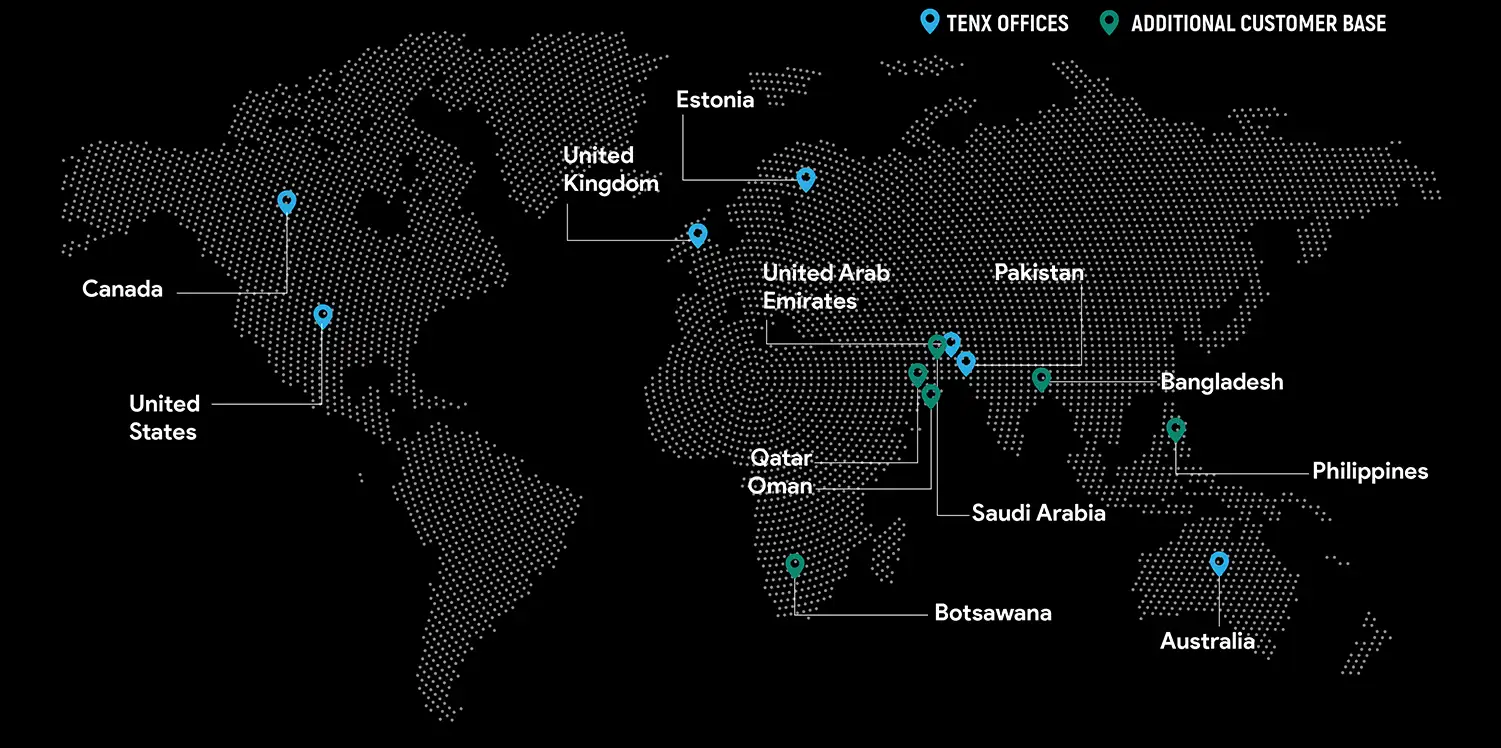
Global Presence
TenX drives innovation with AI consulting, blending data analytics, software engineering, and cloud services.
Ready to discuss your project?